Wildlife journal January 2025
In January, the weather has generally been dry, except for the last few days of the month. After a brief rain in December, the heat and moisture on the ground helped create the perfect conditions for grass to grow quickly. This rapid growth has attracted herds of plains game, such as topi, eland, Thomson’s gazelles and zebras, who are now seeking refuge in areas where the grass is shorter. These areas, located southwest and west of Sasakwa Hill, are part of a watershed. The land in these areas remains dry, but the grass stays short and green, making it a desirable spot for the animals. The combination of the dry ground and fresh, short grass provides the herds with the food they need, and they are drawn to these areas for better grazing conditions. The changing weather patterns and the quick growth of grass have created an interesting shift in where the animals are choosing to stay and feed.
A sightings snapshot for Grumeti and Lamai each, follows.
January sightings snapshot for Grumeti:
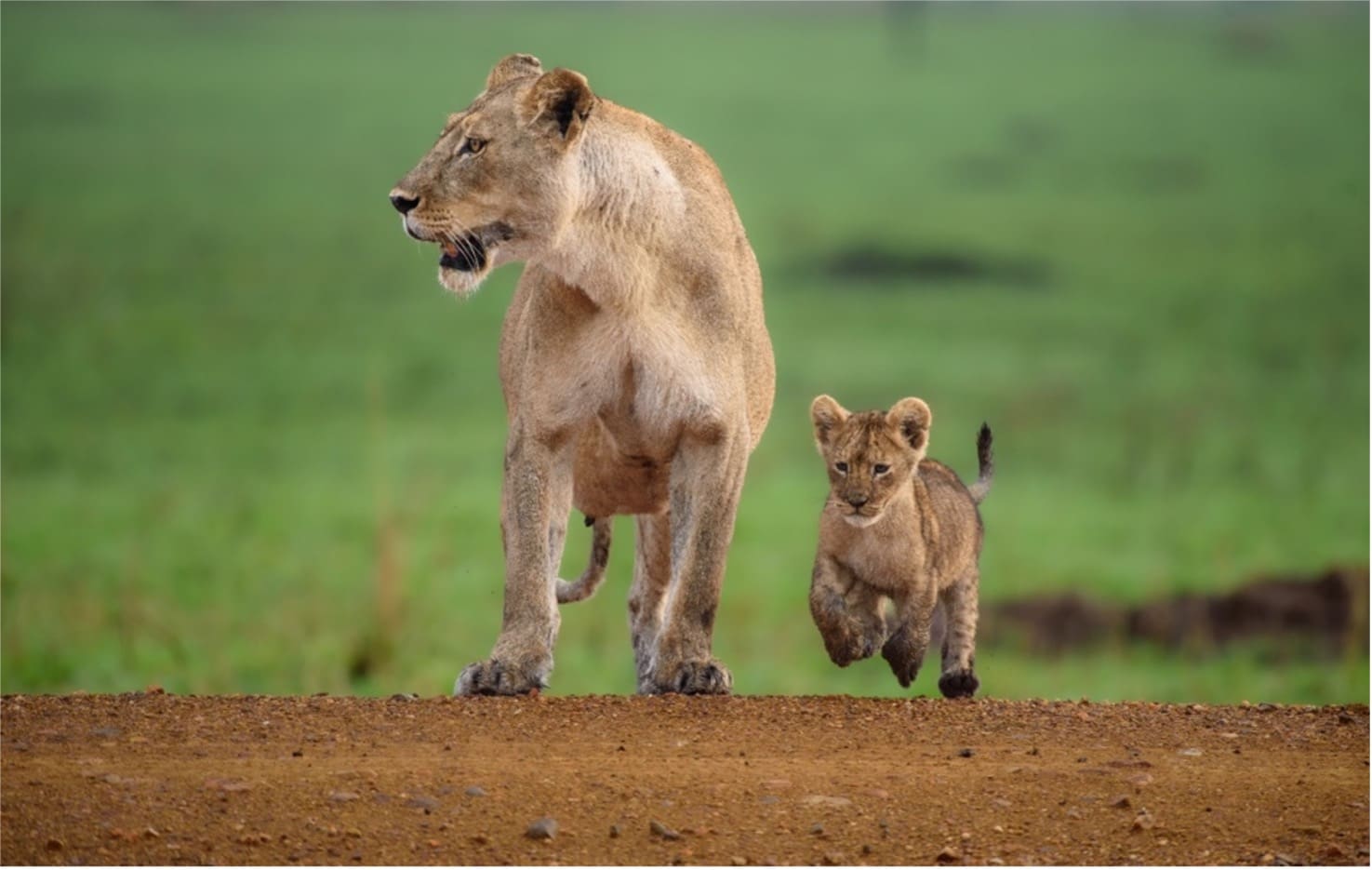
Lions
January has been an exciting month for lion sightings, with plenty of activity across the property as resident prides have been spotted in various areas.
- The Sabora Pride was primarily sighted west of Sabora Camp throughout January, stretching all the way to the Marula Bush Breakfast site. Their six cubs are healthy and growing well.
- The Momukomule Pride has mainly been seen within their territory, east of Sasakwa Lodge, although they occasionally ventured close to the community grazing boundary.
- The Ridge Pride was spotted a few times east of Ridge Hill. Their new cubs were rarely seen, as they were kept well-hidden on a hill. We believe the cubs are doing well, though it’s difficult to access the area.
- The Nyasirori Pride spent most of the month along the boundary between the Serengeti and the Grumeti Concession, areas rich in prey availability.
- The Butamtam Pride has been moving around the Serengeti border south of Sasakwa Lodge, likely due to pressure from the males of the Momukomule Pride.
Leopards
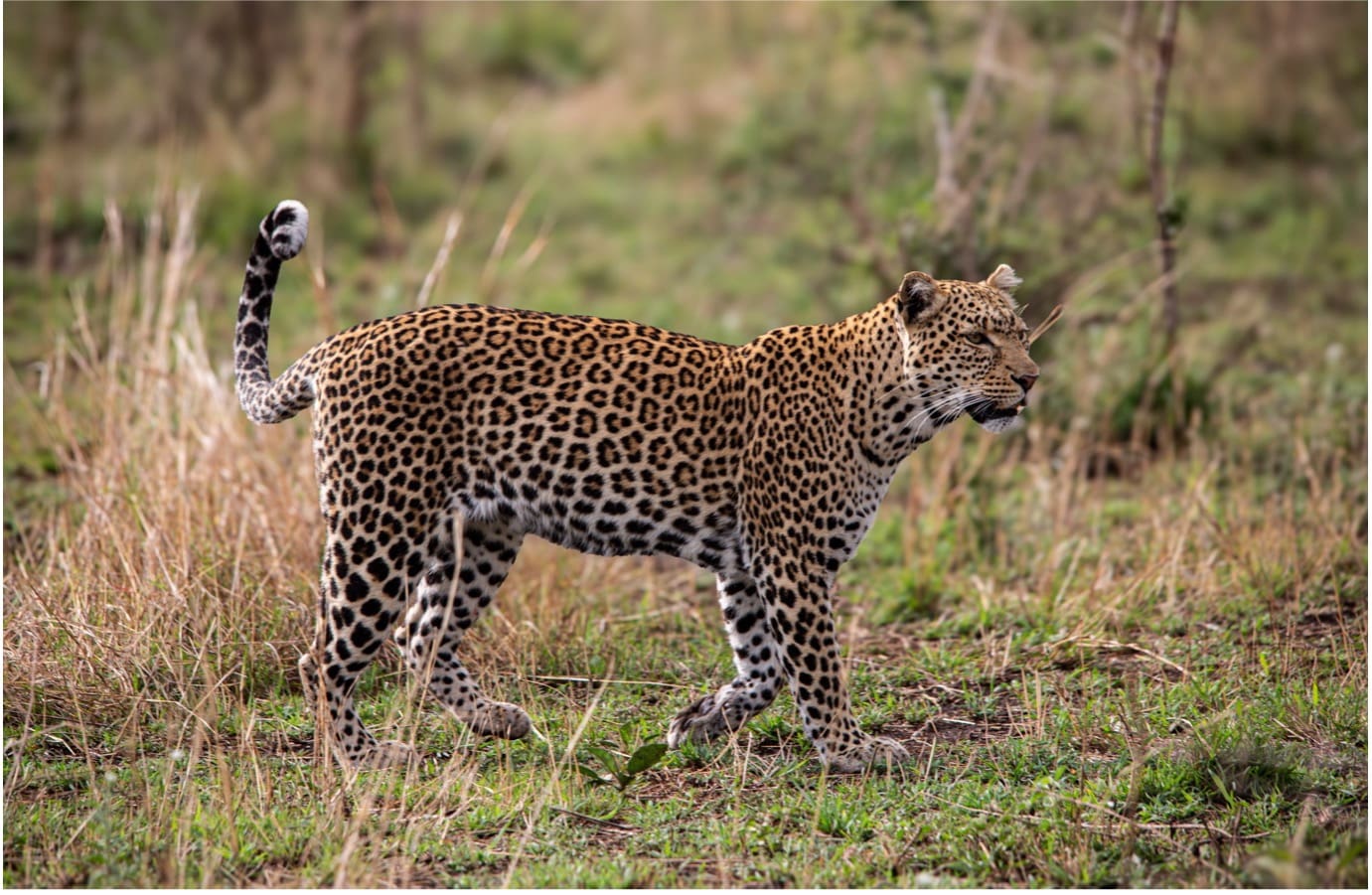
Despite the tall grass this month, we had some incredible leopard sightings:
- The Momukomule male leopard was frequently seen south of the Momukomule drainage, east of Sasakwa Hill.
- The Raho female and her cub were sighted less often, mostly around the Raho drainage near the Serengeti border.
- The Boundary Pan female, with her subadult female cub, has been frequently spotted at the border of Serengeti National Park.
- The Mbogo drainage female and her two cubs were often seen east of Faru Faru Lodge.
Cheetahs
Due to the heavy rains and tall grass in some areas, the general game has moved to higher ground, which has also attracted the cheetahs to these spots.
- The well-known Junior Veteran was seen on the southern side of Sabora, patrolling the territory on the plains in search of food.
- A female cheetah and her nearly full-grown cub were spotted near the Serengeti boundary. The cub is almost as large as the mother and will soon be weaned.
Elephants
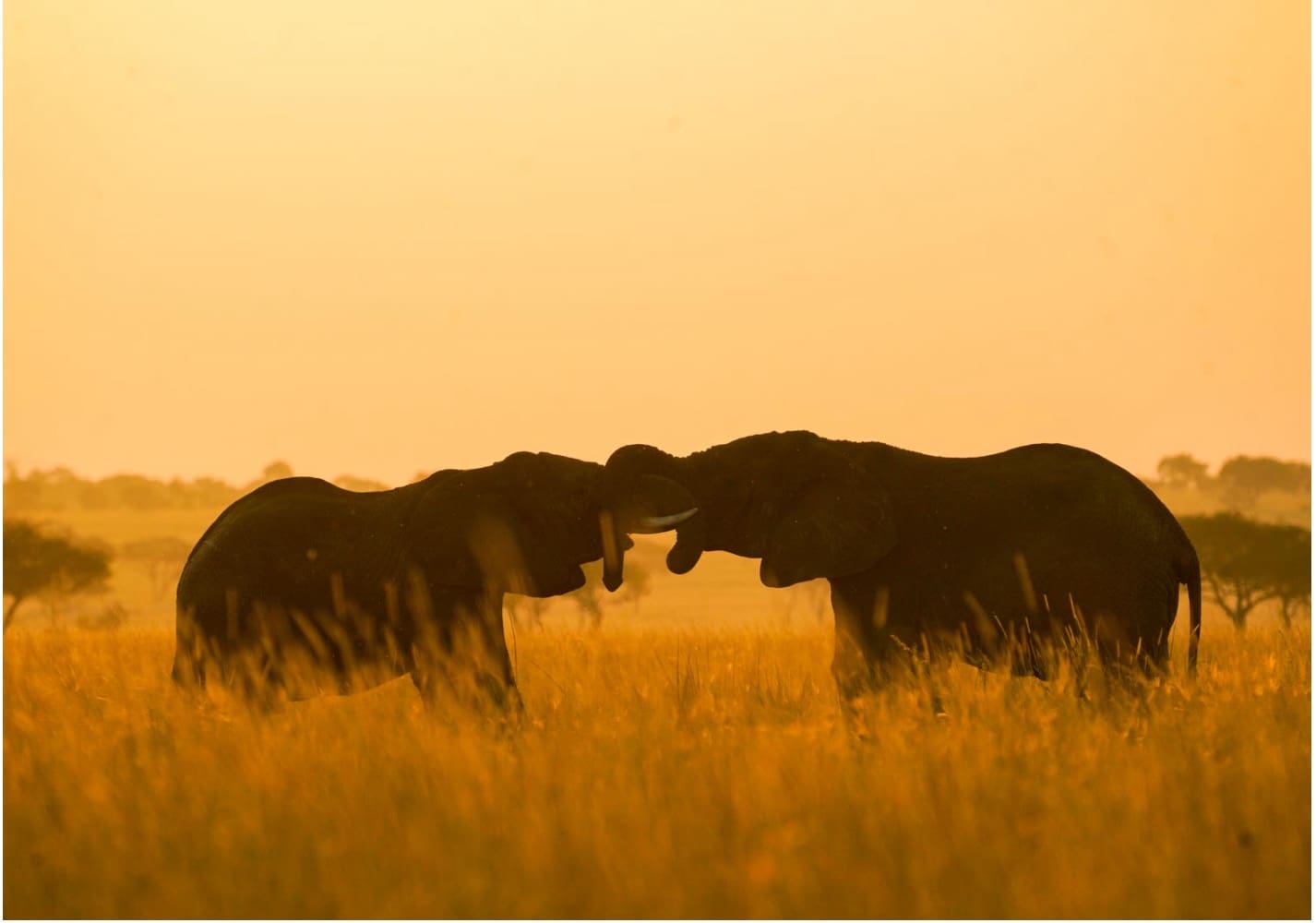
- January continued to bring large matriarchal herds roaming the vast plains in significant numbers throughout the reserve. It was common to spot herds of around 100 elephants at once. The plains of Sasakwa, west of Sabora Camp, and along the Grumeti River were especially alive with these majestic pachyderms.
Buffalos
- A large herd has been roaming Sasakwa Plain throughout January, and another sizable herd was seen north of Faru Faru Lodge.
- Further east of Sasakwa Plains, another large herd has been sighted in the marsh areas.
- Sabora Plain also had a large herd seen to the north and south of Sabora Camp.
- As usual, Kawanga Plain had the largest herd to the west of Balanitis Explore Camp.
- West of Faru Faru, another large herd has been roaming along the Grumeti River.
Rhinos
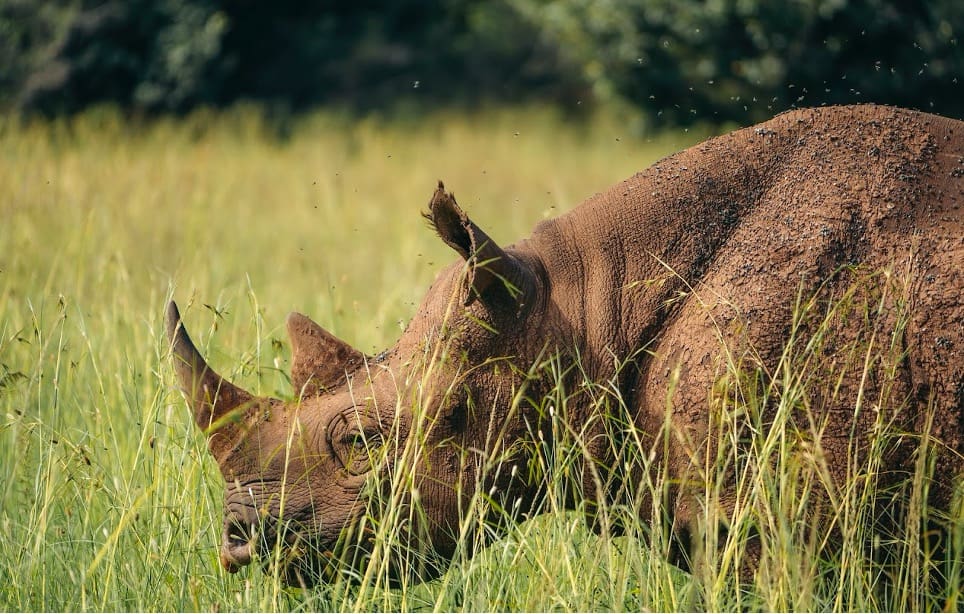
The male eastern black rhino has been frequently seen on his own on the south-eastern side of the sanctuary, roaming in good health.
Download the full report