In true September and the start of spring style we watched the burnt, brown and dusty plains of Grumeti transform into a lush, green and emerald landscape with the onset of some early rains. July and August had been very dry but by the end of September the area looked dramatically different. The Grumeti River is up again and flowing a thick, chocolate brown colour. The grass, trees and bushes all have green shoots and the wildlife flocks to the previously burnt areas to capitalise on the fresh, nutritious grasses. Waterholes and pan system have filled up and we have seen the terrapins reemerge.
Prior to the rain and at the start of the month there was very little water around. Animals had to move far and had a choice between either the Grumeti River or Sasakwa dam. Big, long and dusty animal paths lead to all the safest watering spots while lion and leopard lay in ambush at the more dangerous ones that were surrounded by thick bush and limited escape routes.
When the rain arrived we watched as the plains game and wildlife dispersed – moving into areas they had avoided because they now had access to water and good grazing opportunities. The plains game gravitated towards the previously burnt areas with their short green grass – good grazing and much easier to spot hunting predators. The elephant and giraffe really took advantage of all the new green shoots on the trees in the woodlands and large numbers were seen.
From mid-September we saw lots of new babies being born – noticeably zebra, impala and topi. There seems to be a lot of young giraffe and elephant calves around which are always fun to spend time with and watch. Grouped into nursery herds the young giraffe stay out in the open watched carefully by their mothers who feed on the fringe of the woodlands.
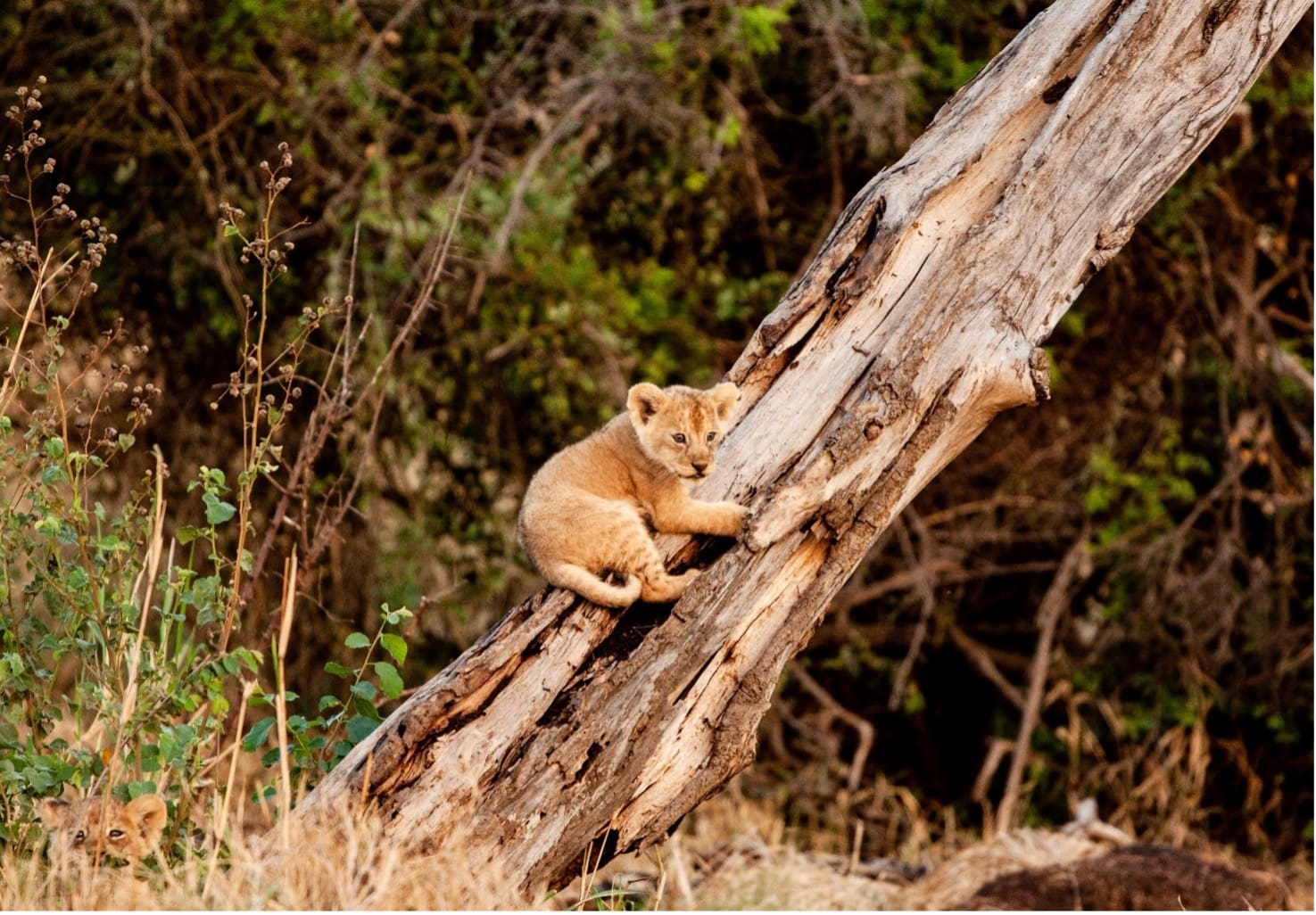
The lion viewing has been exceptionally good and there are more cubs stashed in den sites than we can count. Some lionesses have grouped together accompanied by 11 cubs or more at a time. Other lionesses are still secretively denning, and we have yet to see their cubs. Most cubs seem to be around 2-3 months old.
Lion activity on Sasakwa hill has been exciting and we often hear lion and hyena disturbing each other during the night. There is at least one lioness with a three 2 month old cub on the hill and another lioness that looks pregnant but is not lactating yet. We had two big male lions spend some time on Sasakwa Hill and they were determined to find the lionesses. The lionesses did their best to avoid the males but inevitably they did meet up and we could hear lots of roaring and fighting. Last year we lost cubs to infanticide on the hill and we hope the same does not happen again. It does however make for interesting lion behaviour and dynamics.
Far out west in the short grass plains there are reports of large herds of Topi congregating together and starting to calf and the Ikorongo has also started to become busy with plains game as well as elephant herds. The first wildebeest started to arrive in the Ikorongo towards the end of September.
Lamai has continued with its impressive game viewing over this period. Huge migratory herds have remained on the northern side of the Mara River congregating in the Lamai Triangle before pushing north into the Masai Mara. River crossings have been pretty consistent although there was a shift of animals pouring north at the start of the month along the stretch of river close to Mara River Tented Camp. Towards the middle and end of the month we noticed herds starting to push south again and were crossing the river south much further east of us (crossing points 7 and east wards). From the 20th September the push south by the big herds was very noticeable as they began to drain out of the Masai Mara, south across the Mara River and into the Serengeti where big rains had fallen.
Lion, leopard and cheetah sightings have been very good in the Lamai Triangle. A pride with impressive males and a number of young cubs has been seen often about 40 minutes away from camp towards the border. Along the course of the small river that is a tributary to the Mara River our Singita camp there has been numerous sightings or a relaxed male and female leopard.
A September wildlife sighting overview for the Grumeti follows:
Lions:
The lion viewing over the course of the month has been very impressive. Females with cubs ranging from a few weeks old to 3 months old are scattered across the reserve. A number of coalitions of older, mature male lions have been present and we even had lions mating on Sasakwa Hill as well as two mating pairs right in front of Sabora camp. The presence of the bigger males seems to have pushed the coalitions of younger males out of the area for now which is normal lion behaviour.
- 20 members of Butamtam pride,3 lionesses,6 big males and 11 cubs sighted along Chui drainage – this now seems to be the prides preferred den site area.
- 13 members of Ridge pride, 5 lionesses and 8 Cubs sighted at junction Sabora access and Mak link.
- 5 members of Nyasirori pride, 3 subadult lions and 2 subadult lionesses sighted at junction fungo and Serengeti road.
- A pride of 6 (4 subadult lions 2 subadult lionesses) sighted in the Albizia Woodland.
- 2 adult lionesses sighted at Martin hill.
- 6 members of Nyasirori pride,1 subadult male,1 subadult female and 4 lionesses sighted North of Sabora Camp.
- Mating pair of lions x 2 around Sabora camp for a number of days over the midmonth period
- 2 x lionesses, 3 x cub of about 2 months as well as two male lions seen at different times on Sasakwa Hill. The males are believed to be the same males that were seen with the Ridge Pride around Sabora Access and Fungu Road earlier in the month.
- 2 adult lionesses sighted West of Kigelia crossing.
- A pride of 16 (unknown breakdown – in long grass and thickets) sighted West of Balanites Explore Camp.
Leopards:
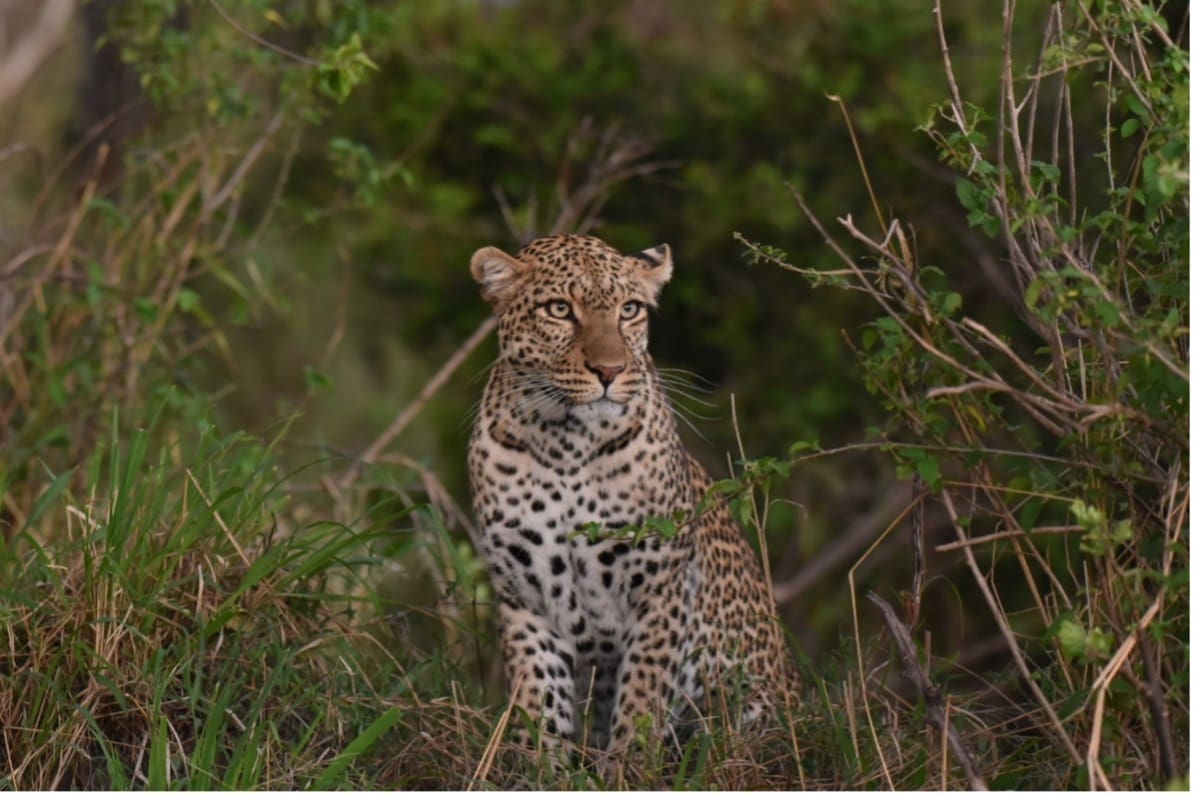
The density and spread of lions does seem to change the leopard viewing. We are still fortunate to see good sightings but we do think the leopard and the cheetah do become more secretive as they attempt to stay out of the way of the lions.
- 1 adult Female sighted at Mbogo drainage.
- A relaxed female was seen along Raho drainage upstream from Kigelia crossing with Bohor reedbuck kill.
- A big male was seen on Sasakwa Hill
- A skittish unsexed leopard was sighted North of Sasakwa airstrip.
- A male was sighted West of Balloon launch site and he was relaxed.
- A skittish leopard was seen between Grumeti river and Nyabeu drainage line.
- A female and her cub were sighted along river road.(Calcrete crossing) – believed to be Grumeti North female
Cheetahs:
- 1 adult male sighted East of marsh area. Most likely the new, young male that now dominates the Sasakwa Plains and surrounding areas. Seen around WD waterhole and Old School areas too.
- 1 adult male sighted East of Balloon launch site
- A young female was sighted West of Sabora Camp.
- Male with Thomson gazelle carcass sighted west of Nyasirori ranger post.
- A single female was sighted East of Nyuki bush breakfast site.
- 2 young males seen near boundary pan – Nyasirori high grounds – hunting young warthogs
Elephants:
We continue to remain fortunate with numerous elephant sightings. The rains mean they have dispersed from the Grumeti River and back into all the woodlands – capitalising on the fresh growth on the trees and the abundance of water everywhere. There are also a lot of young calves in the herds at the moment. Mostly herds seen and a handful of bulls interestingly.
- At the start of the month while it was still dry good herds were seen along Grumeti River however following the rains the herds moved up and into the woodlands and into the Ikorongo. Good numbers were seen out west of Sabora too.
- A breeding herd of about 20 individuals sighted Nyuki bush breakfast site.
- A breeding herd of about 20 Elephants were sighted Southeast of Sabora camp.
- A breeding herd of about 40 Elephants were sighted East of Faru Faru lodge.
- A breeding herd of 15 Elephants were sighted Northwest Sasakwa dam.
- A breeding herd of about 15 individuals sighted North of Grumeti small hill.
- A breeding herd of about 30 individuals sighted East of Uwanja wa ndege.
- A breeding herd of about 7 individuals sighted North of Koroya hill.
- A breeding herd of about 15 individuals sighted along Faru access road.
Download the full report