March continued with the annual rainy season across the concession, keeping the landscape green, fresh, and full of life. The grass remained tall and rich, providing plenty of grazing for wildlife throughout the area. Seasonal pools stayed full, and water was easy to find, reducing the need for long movements in search of drinking spots. The Grumeti River kept flowing strongly, and Sasakwa Dam stayed well replenished. These stable conditions supported a wide variety of wildlife, from large mammals to smaller animals and birds, all benefiting from the continued rains. Overall, the landscape remained vibrant and productive, offering excellent conditions for wildlife to feed, grow, and roam with complete freedom in their natural habitat.
A March sightings snapshot for Grumeti follows:
Lions
The tall grass provided perfect cover for the lions, making each sighting feel like a special reward. Early game drives were particularly rewarding, with lions still mobile and often seen walking along the roads. As the sun rose, they would disappear into the grass, blending seamlessly with their surroundings. At times, members of the Butamtam and Sabora Prides climbed trees, offering excellent viewing opportunities. Sightings that were once taken for granted during the short-grass season were now truly appreciated, and over the course of the month, we were fortunate to observe three prides across the reserve.
- The Butamtam Pride was observed moving long distances compared to previous months, likely due to the stretched food supply. They were seen around Arab Camp Hill, Chui drainage and Sasakwa Dam areas.
- The Sabora Pride remained largely in the Nyasirori area throughout the month and was only rarely spotted near Sabora.
- Members of the Momukomule Pride were occasionally seen on Sasakwa Hill and near the Sabayaya staff premises, mostly during the night. They appeared to use the roads to navigate safely, avoiding the tall grass while moving between hunting areas.
Leopards
Leopard sightings were outstanding, with around 10 different individuals recorded during the month.
- Kombre male was seen for almost one week with a warthog kill up in the balanitis tree north of Koroya Hill.
- A female was found with a zebra fawn north of Biribai and Rhino Rocks Road.
- The Sabora male was seen up in a sausage tree along Raho drainage, south of Sabora area.
- Maridadi was seen often in the Nyasirori areas with different kills, on one occasion with a Thomson’s gazelle and another with a zebra fawn.
- Grumeti North male was seen north of Martin’s Hill.
- A male was found with a zebra fawn hoisted in a sausage tree along Nyasirori Dam drainage.
- A male was seen with a baboon kill along Farsi Road, just south of Sasakwa area.
- A female was seen walking at Farasi and Chui Link Junction.
- A female was seen along Old Construction Road, east of Sasakwa Access Road.
Cheetahs
Two different male cheetahs were seen in the central area, moving calmly in their natural habitat.
- The Kombre male seen south of Serengeti Hill.
- The dominant male was seen along Nyati plain often during the month.
Elephants
In the long grass, where many antelopes tend to avoid due to its height, elephants were seen in large herds steadily mowing through the vegetation. Their presence was widespread, and they did not need to move far, as water points were available in many areas across the reserve. This allowed them to remain relaxed and settled, feeding at a slow and constant pace. During the heat of the day, they gathered around muddy pools, where they enjoyed wallowing to cool off. These moments also offered time for social interaction, as the herds bonded, played, and rested together, creating a calm and captivating scene in the wild.
- Though they were widely spread out across the reserve, the areas along the Sasakwa airstrip and Kombre drainage stood out as true hotspots, with sightings recorded almost every day. These locations consistently offered reliable and rewarding encounters, making them some of the most active and dependable areas for observing elephants throughout the month.
Buffalos
Buffalo herds roamed the reserve in large numbers and could be seen in many areas. They stood out clearly from a distance against the green, lush landscape. This is the time of the year to truly appreciate their presence, as they move visibly across the plains while feeding. Their steady movements and strong group formations made them an impressive and memorable sight throughout the reserve.
- They were seen in large herds across the Ikorongo region, the central areas, and the western open plains. Their wide distribution across these key parts of the reserve made sightings frequent and rewarding, as they moved steadily through the landscape in strong and well-formed groups.
Plains game
With the continued rains, the grass kept growing, so most of the general game stayed in certain areas where the grass was shorter. They seemed more comfortable there, as the ground was less muddy. These spots include Rhino Rocks, Nyati plain, and Nyasirori high ground. They attracted everyone, as visitors could enjoy a good mix of zebras, gazelles, topis, and resident wildebeests moving across the plains.
Elephants thriving in Grumeti
By Bernard Hosea
With the arrival of the rainy season in Tanzania, life across the Serengeti ecosystem begins to flourish once again. About a month ago, the rain started falling across the plains, and in the western corridor, within the Singita Grumeti Reserves, the land has transformed into a lush and vibrant wilderness.
Almost every evening, gentle showers sweep across the landscape, sometimes continuing into the night. These rains bring fresh grazing and browsing, creating perfect conditions for wildlife to thrive. As the grass turns green and the trees fill with new leaves, the entire reserve feels alive, a true nursery of the wild.
Across Grumeti, new life is everywhere. Herds of animals move gracefully through the rejuvenated plains, many accompanied by their young. Among them, elephant families stand out the most. Tiny calves walk closely beneath their mothers, learning to navigate the world step by step, protected within the strong bonds of their herds.
For me, as I approach 20 years of working in these reserves, the transformation I have witnessed has been nothing short of extraordinary. The increase in wildlife over the years is deeply moving, but perhaps the most inspiring story is that of the elephants.
Back in 2003, when conservation efforts began in this area, there were fewer than 300 elephants within the concession. The land had a difficult history, years of human activity had placed immense pressure on wildlife. Animals were vulnerable, unsettled, and their numbers had drastically declined.
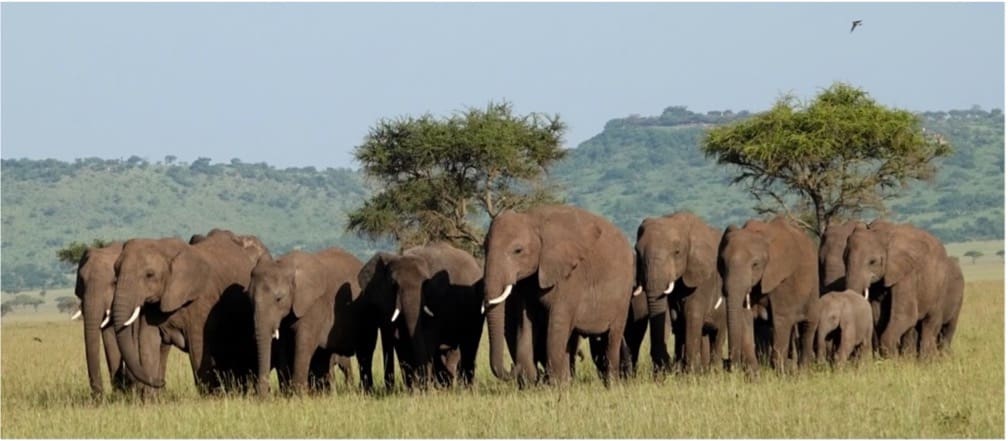
But with commitment, vision, and protection, the story began to change. According to the most recent aerial survey conducted in 2024 by the Grumeti Fund’s Research and Monitoring team, the elephant population has grown to more than 2 500 individuals. Today, these magnificent animals roam freely across the plains, woodlands, and river systems of the reserve, calm, thriving and multiplying.
This remarkable recovery is a powerful reflection of dedicated conservation efforts. It shows what is possible when wildlife is given space, protection, and time to heal. For those of us guiding in this landscape, and for every guest who experiences it, seeing elephants in such numbers, especially mothers with newborn calves, is deeply meaningful.
Each game drive becomes a reminder of success. Watching elephants move peacefully through the savannah, undisturbed and confident, reflects years of hard work and commitment from teams on the ground, anti-poaching units, canine teams, community programmes, and research departments all working together with one shared purpose.
Above all, it reflects a long-term vision, to preserve and protect this wilderness for future generations.
And as the rain continues to fall over Grumeti, and young elephant calves follow their mothers across the green plains, it is clear that this vision is no longer just a dream, it is a living reality.
Green season exploration: growth, exposure, and shared experience
By Jimmy Ikamba
The green season has evolved into more than just a quieter chapter of the year, it is now a valued tradition within the team. As the plains of the Serengeti come alive with fresh growth, scattered wildflowers, and dramatic skies, so too does the spirit of exploration among the guides. This period is intentionally embraced as a time to step beyond routine, creating space for connection, learning, and shared experiences.
A key highlight of this tradition is the team’s journey into the eastern Serengeti. What makes this activity particularly special is not just the destination, but the purpose behind it. Guides come together to exchange knowledge, refine tracking skills, and challenge one another through meaningful discussions and real-time observations in the field. It is a powerful reminder that learning within the bush is continuous and best shared.
At the heart of these experiences is the role played by Singita Grumeti, whose commitment to guide development and conservation excellence makes such opportunities possible. Through exposure to diverse terrains, wildlife behaviour, and collaborative engagement, guides are empowered to grow both professionally and personally. These experiences go beyond routine guiding, they build confidence, inspire curiosity, and elevate the overall standard of the team.
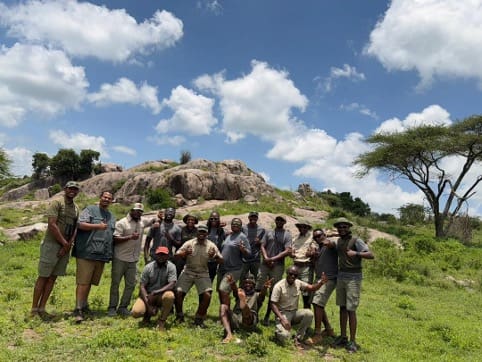
Despite the quieter nature of the season, the wilderness remains incredibly active and full of life. This particular exploration delivered unforgettable sightings that highlighted just how dynamic the green season can be. An active mother leopard was seen on the hunt, moving with focus and precision through the lush cover, an intense and thrilling moment for the team. In addition, there were two remarkable cheetah sightings: one of a solitary female scanning the plains, alert and poised, and another of a mother with her two cubs, all watchful and clearly preparing for a potential hunt.
Beyond the wildlife, it is the energy among the team that truly defines this experience. Moments of laughter, shared excitement, and genuine camaraderie bring the group closer together. These are the times when bonds are strengthened, stories are created, and passion for the profession is renewed.
The green season continues to stand as a time of growth, exposure, and inspiration, where nature thrives, and the guiding team grows stronger together through shared purpose and unforgettable experiences.
Life after the rain
By Paulo Kivuyo
After the heavy rains, everything feels different. The grass grows fast, suddenly it’s tall and thick, covering areas that were once open. Animals that used to be easy to see now disappear into it, and you find yourself having to look harder, paying more attention to small movements and sounds.
But at the same time, the landscape becomes incredibly beautiful. Everything turns green and fresh, like it’s been given new life. The air feels cleaner, the colours saturated, and the whole place has a calm, almost glowing feeling to it. It’s the kind of change you don’t just see, you feel it.
If you take your time, that’s when things start to reveal themselves. This is one of the most remarkable times for birds. Breeding season transforms them. The males, especially, seem to carry a kind of urgency and pride. Their colours sharpen and brighten, standing out boldly against the endless green. Calls echo constantly now sharp, insistent, full of intent. There’s movement everywhere, wings flickering between branches, sudden bursts of flight, quiet landings followed by another call, another display. It’s not just activity, it’s performance.
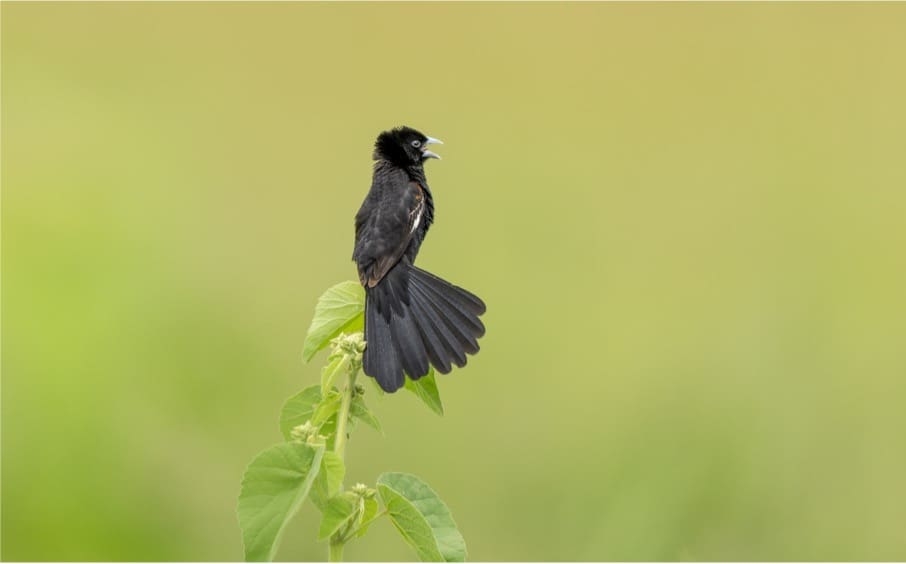
White winged widowbird. Pictured by Paulo Kivuyo
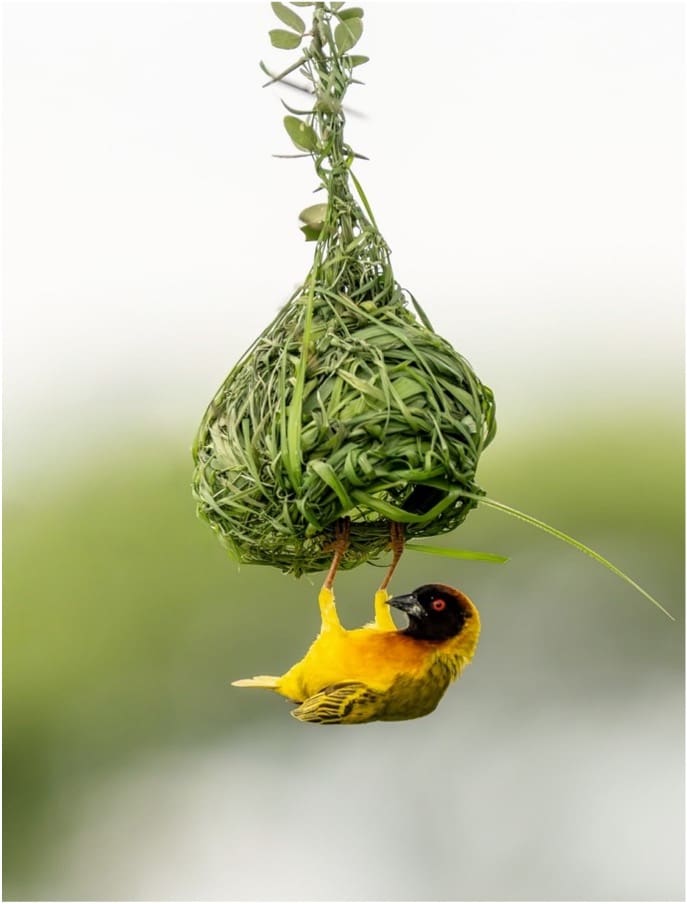
In the trees and bushes, new life is taking shape. At first, you might miss them. But then your eyes adjust, and you begin to notice the nests delicate, hanging structures woven with precision. Many are shaped like small onions, suspended from branches, swaying gently in the wind. Others look like tightly crafted spheres, tucked carefully among leaves. The more you watch, the more you realize these aren’t simple constructions. They are deliberate, intricate, built strand by strand with instinct and experience. There is nothing random about them. It is skilful, refined over generations.
Birds like the vitelline masked weaver, black-headed weaver, the white-winged widowbird, the fan-tailed widowbird, and the yellow-mantled widowbird bring an unmistakable energy to the landscape. The males, especially, are impossible to ignore. They rise and fall in display flights, wings catching the light, tails trailing behind them like ribbons. They call, chase, circle, each movement purposeful, each moment part of a larger effort to be seen, to be chosen. It’s mesmerizing in a quiet, almost intimate way. You find yourself stopping without meaning to, just to take it in.
The rain does make things harder, in its own way. It hides things, slows movement, demands effort. But it also offers something in return. It changes your pace. It asks you to linger, to look again, to listen more carefully.
Download the full report